Explore Namibia Tours and Safaris: The Complete Guide to Your Adventure
Namibia stands out as a premier destination for thrill-seekers and nature lovers. Its striking landscapes and rich biodiversity create a unique backdrop for unforgettable experiences. From the majestic sand dunes of Sossusvlei to the sweeping plains of Etosha National Park, countless treasures await discovery. Various safari options cater to different preferences and interests. The adventure offers not only breathtaking landscapes but also profound cultural encounters. What discoveries lie ahead for those who venture into this fascinating territory?
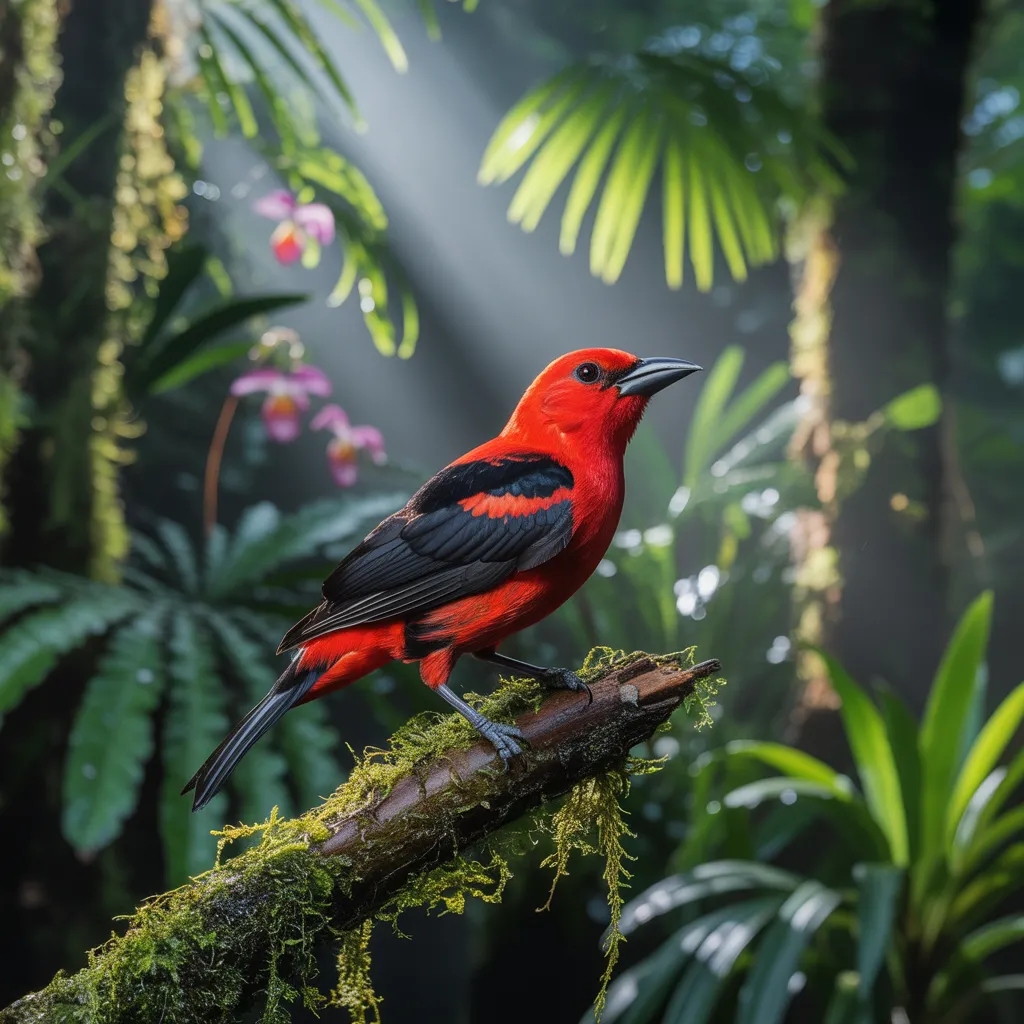
Premier Destinations to Uncover in Namibia
When planning a trip to Namibia, travelers will discover a wealth of stunning destinations that reveal the country's rich landscapes and wildlife. The iconic Sossusvlei, with its towering red dunes, beckons adventurers to experience the extraordinary beauty of the Namib Desert. Etosha National Park is renowned for its remarkable wildlife viewing, boasting elephants, lions, and rhinos that traverse its vast salt pans. The Skeleton Coast, with its impressive shoreline and shipwrecks, provides a captivating yet eerie experience for nature enthusiasts. Damaraland, famous for ancient rock art and the unique desert-adapted elephants, offers a glimpse of Namibia's rich cultural history. Additionally, the Fish River Canyon, one of the largest canyons in the world, offers stunning hiking opportunities. Every one of these sites delivers a unique perspective on Namibia's natural wonders, making it a compelling choice for travelers seeking adventure and exploration.
Top Times to Visit Namibia
When is the best time of year for travelers to visit Namibia? The best time to explore this breathtaking country is during the dry season, which generally runs from May to October. Throughout this period, temperatures remain cooler, allowing outdoor adventures and wildlife observation to be more enjoyable. The scenery across Namibia becomes especially dramatic during the dry season, as reduced rainfall improves visibility and showcases the remarkable geological features.
In contrast, the wet season, from November to April, introduces higher temperatures and intermittent showers, resulting in rich greenery and a lively environment. That said, wildlife becomes more difficult to encounter during this time, as animals disperse in search of water sources.
Ultimately, the choice of when to visit Namibia depends on travelers' preferences for wildlife viewing versus experiencing the country's lush landscapes. Every season provides a unique outlook on Namibia's breathtaking natural scenery.
Available Types of Safaris
Namibia provides a wide array of safari experiences that accommodate a multitude of interests and preferences. Thrill seekers can opt for self-drive safaris, allowing for a customized exploration of the country's breathtaking landscapes, or guided expeditions led by knowledgeable rangers, guaranteeing an enriching experience. For those interested in photography, dedicated photo safaris provide ample opportunities to photograph Namibia's breathtaking vistas and diverse wildlife.
High-end safaris, featuring lavish accommodations and exclusive access to private reserves, attract visitors who desire both comfort and adventure. Eco-conscious safaris focus on sustainability, focusing on conservation efforts while immersing guests in Namibia's natural beauty. Heritage safaris provide a deeper understanding of indigenous cultural practices, enriching the travel experience. Additionally, family-oriented safaris are designed to captivate young adventurers, guaranteeing an unforgettable adventure for every generation. All safari varieties provide remarkable possibilities, establishing Namibia as a top-tier destination for every type of explorer.
Unique Wildlife Experiences
Investigating Namibia's extensive safari types naturally leads to remarkable wildlife experiences that are unparalleled in their abundance and scope. The destination's sprawling landscapes, from the dry Namib Desert to the fertile wetlands of the Okavango, create habitats for an outstanding array of wildlife. Visitors can witness the celebrated Big Five—lion, elephant, buffalo, leopard, and rhinoceros—in their natural environments, often during exhilarating safari excursions or guided walking tours.
In addition, Namibia is celebrated for remarkable species such as the desert-adapted elephants and black rhinos of Damaraland. Birdwatchers can delight in spotting rare avian species, including the breathtaking African fish eagle and the dazzling lilac-breasted roller. The country's dedication to conservation promises that these incredible wildlife encounters remain preserved, allowing travelers to witness the magnificence of nature while supporting local ecosystems. Every wildlife expedition in Namibia is an invitation to immerse oneself in the wild and experience nature's marvels.
Cultural Encounters and Local Communities
In what ways do cultural interactions enhance the travel journey in Namibia? Interacting with local communities enables visitors to develop a richer appreciation of the country's varied cultural heritage. Namibia hosts a number of indigenous communities, such as the Himba, San, and Damara, each distinguished by their own traditions, languages, and ways of life. Travelers frequently take part in traditional rituals, explore centuries-old crafts, and sample genuine local cuisine, creating lasting and meaningful bonds.
These engagements foster cultural appreciation and provide vital support to local economies. Many community-based tourism initiatives guarantee that expert advice a portion of the proceeds directly benefits the communities involved, promoting sustainable practices. Visitors have the opportunity to observe the hardships and achievements of these local groups, gaining insights into their resilience and adaptability in a changing world. At their core, cultural interactions throughout Namibia elevate the travel experience, turning simple tourism into deeply meaningful encounters that linger in the memory well beyond the journey.
Important Packing Advice for Your Travel
When organizing a trip to Namibia, it is essential to think about what items to pack for a relaxing and fulfilling experience. Tourists should focus on breathable, comfortable attire suitable for both sunny days and cooler nights. Neutral-colored attire is advisable to blend in with the breathtaking scenery while deterring unwanted insects. Durable footwear are a must, particularly for those starting on safaris or visiting protected reserves.
Protecting yourself from the sun is essential; therefore, including a wide-brimmed hat, sunglasses, and high-SPF sunscreen in your bag is highly suggested. Bringing a refillable water bottle will keep you hydrated throughout your outings. Additionally, a good camera or smartphone with ample storage is important for capturing the breathtaking scenery and wildlife.
Visitors should not forget basic personal care items, a basic first aid kit, and any individual medical supplies. Finally, a dependable power adapter compatible with Namibia's electrical outlets guarantees that electronics stay powered throughout the trip.
Suggested Tour Operators and Packages
Choosing the ideal travel operator can considerably elevate a tourist's experience in Namibia, as various operators present customized packages that cater to different interests and budgets. Travelers looking for premium travel, operators like Wilderness Safaris offer exclusive retreats and extraordinary experiences in secluded regions. Adventure lovers might choose companies such as Chameleon Safaris, which focus on intimate group excursions and self-guided driving experiences, providing a more intimate connection with the landscape.
For families seeking memorable adventures, Namibia Tours and Safaris presents extensive packages that include activities suitable for all ages. Budget travelers can find affordable options with companies like Eco Travel, which emphasize sustainable tourism while keeping costs low. Each operator presents unique itineraries, featuring renowned destinations such as the Namib Desert, Etosha National Park, and immersive encounters with indigenous communities. In the end, choosing a trustworthy tour operator is essential for an enriching and unforgettable experience across Namibia's stunning scenery.
Popular Questions We Receive
What Is the Average Cost of a Namibia Safari Tour?
The average cost of a Namibia safari tour generally falls from $150 to $500 per person per day, based on elements like lodging options, package inclusions, and the particular activities selected throughout the journey.
Are There Any Health Precautions for Traveling in Namibia?
Visitors traveling to Namibia ought to look into immunizations against hepatitis A, typhoid, and malaria prophylaxis, especially in rural areas. Maintaining proper hydration, wearing insect repellent, and bringing a first-aid kit are equally advised to ensure a safe trip.
What Type of Visa Is Required for Visiting Namibia?
A tourist visa is generally needed for travel to Namibia, which can be obtained prior to arrival or upon entry, based on the nationality of the traveler. It is recommended to verify the relevant visa requirements based on personal circumstances.
How Safe Is It to Travel Alone in Namibia?
Traveling solo in Namibia can be safe, particularly for experienced travelers. Vigilance is recommended in metropolitan zones, as outlying territories present magnificent vistas and minimal dangers. Knowledge and readiness boost protection and satisfaction across the expedition.
Can I Rent a Vehicle for Self-Drive Safaris in Namibia?
Absolutely, tourists can hire vehicles for solo-drive safaris in Namibia. Many vehicle rental companies feature a range of vehicles, including 4WD vehicles perfect for the diverse landscapes, offering an adventurous and convenient travel experience.